Transform Your Home with Ann Arbor top home remodeling contractor
Transform Your Home with Ann Arbor top home remodeling contractor
Blog Article
Home Remodeling: Transform Your Space Into Your Ideal Home
Home renovation provides a straightforward method to enhancing both function and visual appeal in residential areas. It enables homeowners to personalize their environments and potentially boost property value. However, achieving the desired results demands thorough planning and commitment to a budget. Comprehending design styles and choosing the right contractors are essential steps in this process. As homeowners start this journey, they must think about what they truly wish to achieve. The path ahead contains several significant factors to explore.
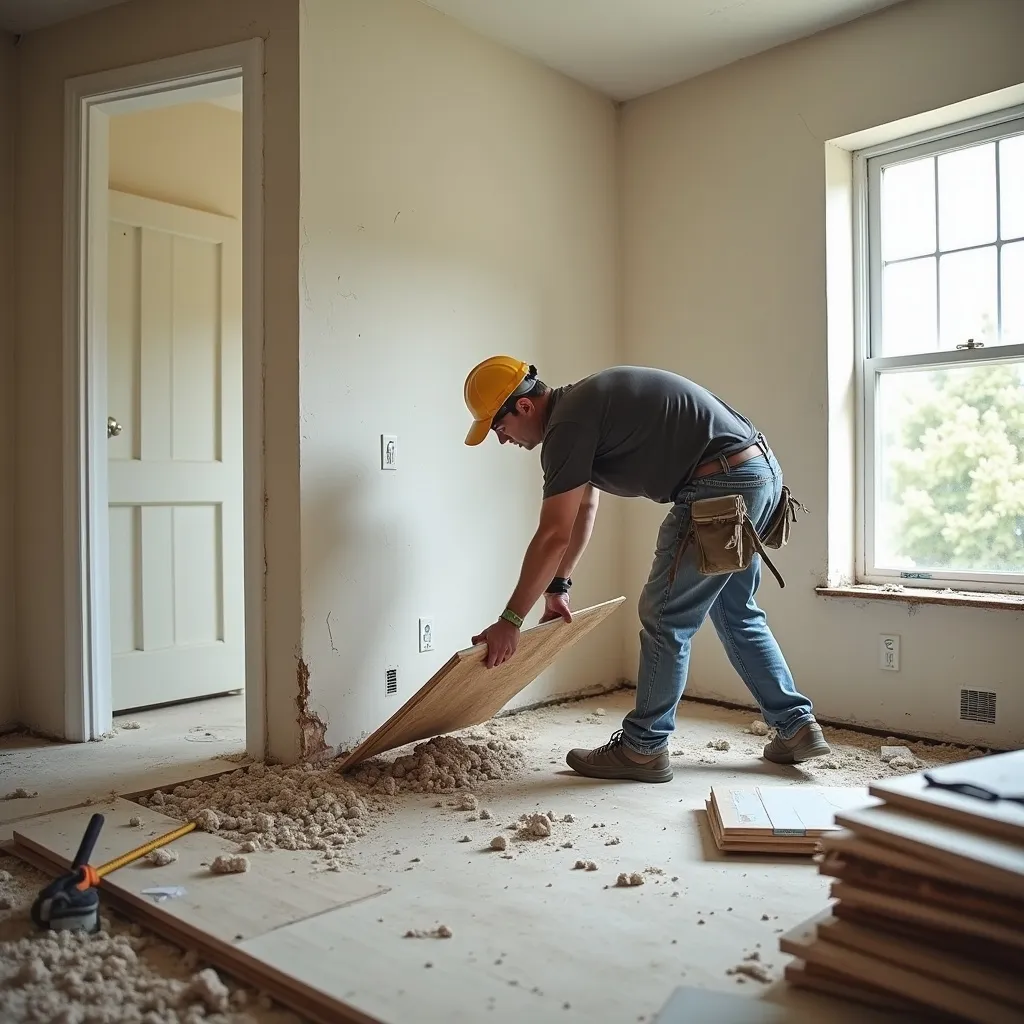
What Do You Want to Accomplish With Your Home Renovation?
What objectives does one have in mind when beginning a home renovation undertaking? People often seek to improve functionality, upgrade aesthetics, or boost property value. Some may desire a more open layout to encourage social interactions, while others aim to create a peaceful retreat within their home. Specific objectives can include modernizing outdated spaces, adding energy-efficient elements, or enlarging living areas to accommodate growing families.
Furthermore, a homeowner might want to personalize their environment to reflect their style and preferences, making it a true expression of themselves. Safety and accessibility can also be significant considerations, especially for those with aging family members or disabilities. In the end, the objectives of a remodeling project form the basis for decision-making, directing choices in aesthetics, materials, and overall execution. Recognizing these aspirations is essential for attaining a successful renovation that meets both practical needs and individual preferences.
Guide to Planning Finances for Your Home Remodeling Project
Budgeting for a home renovation project demands careful planning and consideration. It is crucial to establish an overall budget, prioritize essential improvements, and allow for unexpected costs that may arise. By tackling the budgeting process systematically, homeowners can accomplish their goals without monetary strain.
Determine Your Total Budget
Before undertaking a home remodeling project, it is important to set an complete budget that reflects both monetary limitations and remodeling goals. Homeowners should commence by reviewing their finances to determine how much they can reasonably allocate for the project. This includes assessing savings, income, and available financing options. It is also smart to include unexpected expenses, typically 10-20% of the total budget, to manage unforeseen issues that may develop during remodeling. Additionally, homeowners should explore the costs connected to various materials and labor in their area, facilitating informed decisions. By establishing a clear budget, homeowners can maintain focus on their remodeling goals and circumvent the stress of overspending.
Focus on Necessary Upgrades
With a well-defined budget in place, homeowners can focus on determining which renovations offer the most worth and functionality to their space. Prioritizing essential upgrades involves evaluating areas that require immediate focus, such as outdated plumbing or electrical systems, which can pose safety risks. Kitchen and bathroom renovations typically yield high returns on investment; consequently, allocating funds toward modernizing these areas is often wise. Furthermore, boosting energy efficiency via windows, insulation, or appliances helps cut long-term costs. Lifestyle needs should also be considered by homeowners, such as providing open areas for family gatherings or designated workspaces. Through careful selection of upgrades that meet both current needs and future goals, homeowners can enhance their remodeling effectiveness while adhering to their budget.
Plan For Unforeseen Expenses
Preparing for unforeseen expenses is crucial for homeowners starting a remodeling project. Financial plans can rapidly grow tight when unforeseen issues happen, including structural problems, outdated wiring, or hidden water damage. Experts recommend reserving an additional 10 to 20 percent of the overall budget to cover these contingency expenses. Homeowners should also consider possible cost variations in supplies and workmanship. Investigating area contractors and obtaining multiple estimates can deliver a clearer picture of expected expenses. Additionally, maintaining clear dialogue with construction professionals throughout the project enables you to catch and fix problems quickly. By strategically planning for these unforeseen expenses, property owners can ensure that their renovation project remains on schedule, ultimately transforming their space without budget stress.
What Design Approaches Match Your Home Renovation?
Throughout the world of home remodeling, design styles represent an indispensable element in forming the overall aesthetic. Homeowners can decide on from a spectrum of options, comprising modern minimalist aesthetics, cozy rustic charm, and elegant traditional touches. Each style lends its own special character, modifying both the atmosphere and usability of the space.
Up-to-date Reduced Aesthetics
Modern streamlined design principles provide an refreshing approach to home remodeling, characterized by minimalism and practicality. This design style emphasizes spacious areas, sleek contours, and a limited range of hues, often featuring neutral tones that promote a feeling of tranquility. Furnishings and accessories are carefully chosen, resulting in an uncluttered environment that improves overall balance. Organic substances, such as wood and stone, frequently play a significant part, adding warmth while maintaining a polished look. Illumination is carefully considered, often using large windows to maximize natural light. In a contemporary streamlined home, every component serves a purpose, contributing to a unified appearance that embodies the homeowner's principles of clarity and effectiveness. This style invites serenity, making it perfect for modern lifestyle.
Snug Rustic Charm
Embracing the core of comfort and ease, cozy rustic charm remains a popular choice for homeowners looking for a more welcoming atmosphere. This design style often incorporates natural materials, such as reclaimed wood, stone, and soft textiles, creating an organic feel. Earthy color palettes—consider warm browns, soft greens, and muted reds—enhance the tie to nature.
Key features include exposed beams, substantial furnishings, and vintage accessories, which inspire a feeling of nostalgia. Fireplaces work as focal points, gathering families in one place in a relaxed environment. Additionally, mixing contemporary conveniences with rustic elements gives utility without surrendering charm. Overall, cozy rustic charm turns spaces into serene hideaways, making it an appealing option for those wanting to introduce their homes with warmth and personality.
Graceful Time-honored Accents
While many homeowners pursue ease through country designs, others appreciate beauty in the refined elegance of traditional styles. This design method focuses on enduring elements such as intricate trims, vintage furniture, and bold color palettes. Traditional spaces often showcase even arrangements and orderly setups, offering a sense of structure and sophistication. Incorporating antique or vintage pieces can enhance authenticity, while luxury materials like silk and velvet add richness and tactile quality. Architectural elements, such as decorative ceilings and wainscoting, contribute to an overall sense of splendor. Homeowners embracing this style often choose comfortable, pleasant spaces that express their heritage or personal history, positioning traditional design a lasting choice for those wishing to evoke a sense of refinement in their remodeled homes.
How to Select the Right Builders for Your Home Renovation?
Picking the right service providers for home remodeling can greatly impact the achievement of a job. House owners should begin with exploring area professionals and confirming their qualifications, comprising licenses and protection. Reading online reviews and seeking referrals from relatives or peers can deliver helpful information into a contractor's credibility.
It's critical to speak with multiple candidates next to assess their communication abilities and professionalism. Homeowners must seek detailed estimates and schedules to ensure openness. A reputable contractor should be prepared to respond to inquiries and supply a thorough grasp of the scope of work.
Additionally, examining past undertakings or portfolios can help homeowners appraise a contractor's technique and proficiency of work. Finally, faith and rapport are important; a contractor's temperament and willingness to team up can greatly influence the remodeling experience. By adopting these practices, homeowners can make sound decisions that harmonize with their aspiration for their dream home.
What Crucial Pointers Do You Need for a Successful Home Renovation?
How can property owners guarantee a successful home renovation undertaking? First, creating a clear vision is fundamental. Homeowners should outline their objectives and preferences, ensuring all parties comprehend the desired result. Subsequently, setting a practical financial plan helps reduce unforeseen costs. It is essential to include a reserve allocation for unexpected complications.
Meaningful dialogue with builders is crucial; house owners must articulate their needs and expectations explicitly. Regular communications and on-site inspections can enhance this interaction. Moreover, researching products and styles will equip homeowners to make well-informed choices, balancing appearance and functionality.
Finally, acquiring required licenses guarantees compliance with local regulations, avoiding future issues. complete guide By following these tips, homeowners can manage the intricacies of renovation, ultimately converting their area into a ideal residence.
Best Practices for Upkeep of Your Recently Refurbished Home?
Homeowners who have spent effort and money in a home remodel should focus on ongoing maintenance to maintain their freshly renovated space. Frequent cleaning is vital; applying appropriate products to different surfaces will prevent damage and degradation. For example, hardwood floors demand dedicated products that maintain the finish, while countertops may need tailored solutions to stop stains.
Furthermore, homeowners should perform seasonal inspections to address any problems early. This includes inspecting for leaks, maintaining HVAC systems, and verifying outdoor drainage is working correctly. Regular maintenance of appliances and fixtures will also prolong their lifespan.
Furthermore, it is important to set up a maintenance schedule that includes tasks like repainting or applying sealant to surfaces as needed. By devoting effort to these tasks, homeowners can copyright the beauty and usability of their remodeled spaces, ultimately raising their property’s value and comfort for many years forward.
Regularly Asked FAQs
How much time Does a Standard Home Remodeling Project Take?
A typical home remodeling undertaking can require anywhere from a few weeks to several months, based on the scope, complexity, and magnitude of the remodel. Each project differs depending on individual requirements and unexpected challenges.
What Licenses Are Necessary for Home Renovation?
Usually, licenses needed for residential renovation comprise building, electrical, plumbing, and mechanical permits. Local regulations may differ, so it's crucial for homeowners to consult their municipality to guarantee compliance with all required specifications and guidelines.
What Approaches Can Assist Me Minimize Disruptions During Remodeling?
To reduce interruptions during remodeling, one can establish open dialogue with contractors, determine defined scheduling, assign a separate living area, and maintain a tidy workspace. Planning ahead helps ensure a smoother remodeling process.
What Common Mistakes Should You Avoid During Renovation Work?
Frequent missteps to circumvent in home renovation encompass underestimating budgets, neglecting regulatory requirements, omitting detailed planning, choosing the wrong materials, overlooking timelines, and neglecting to engage in effective communication with building professionals, which can lead to expensive delays and poor outcomes.
How Should I Manage Unforeseen Expenses Throughout the Renovation Process?
To manage unexpected expenses during renovation, one should maintain a emergency fund, communicate openly with builders, focus on necessary upgrades, and stay adaptable in choices. This strategy assists with managing finances and minimizes stress throughout the process.
Report this page